Expressions of Faith
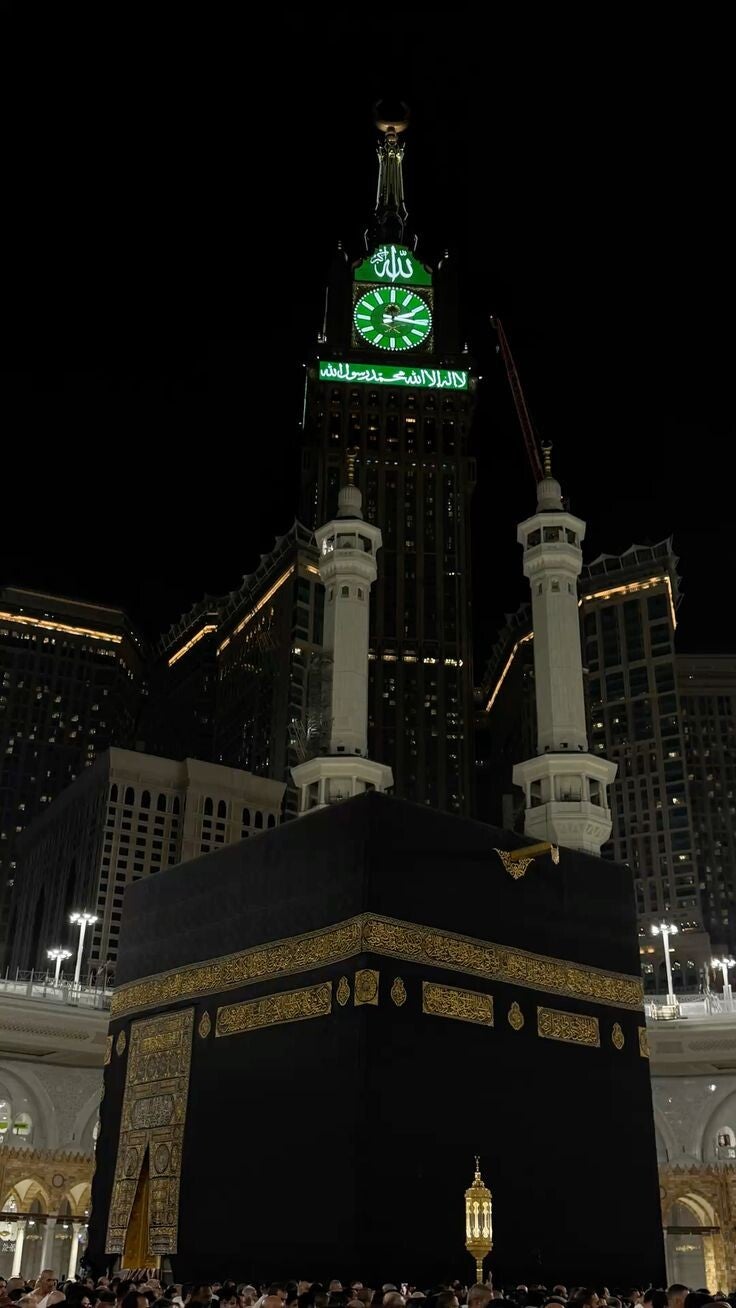
The Faith of Pakistan
Religion is at the heart of Pakistan’s cultural identity, shaping its values, traditions, and sense of community. As an Islamic republic, Pakistan’s daily life is deeply influenced by faith: from the call to prayer echoing through cities and villages to the celebration of festivals like Eid al-Fitr, Eid al-Adha, and Ramadan, which bring families and communities together in devotion, generosity, and joy. Masjid's, from the grand Badshahi Masjid to small neighbourhood prayer spaces, stand as symbols of beauty, unity, and spiritual peace. Religious expression in Pakistan extends beyond worship, but it’s reflected in poetry, music, clothing, and art, where spiritual themes blend with cultural creativity. Faith also inspires acts of compassion, charity, and social service, embodying the Islamic principle of community care. Together, these expressions create a belief, showing how Islam in Pakistan is both a personal journey and a shared celebration of identity and purpose.
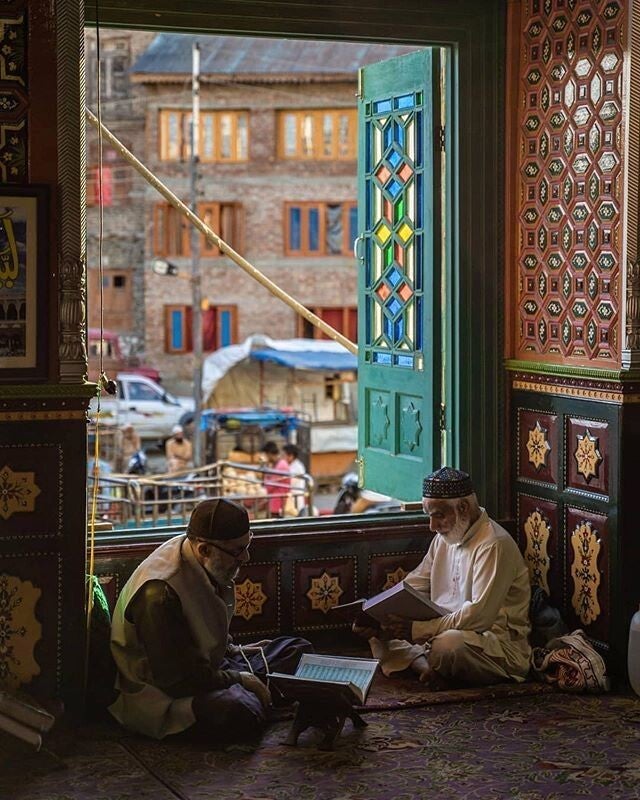
The History of Islam in Pakistan
Islam first found its way into the region that is now Pakistan in the 8th century, when Muhammad bin Qasim, an Arab general of the Umayyad Caliphate, led an expedition into Sindh in 711 CE. His arrival marked the introduction of Islam to South Asia, not just through conquest, but through trade, cultural exchange, and dialogue. Over the centuries, Islam spread peacefully through the efforts of Sufi saints and scholars, whose message of love, tolerance, and equality deeply resonated with local communities. Shrines like those of Lal Shahbaz Qalandar in Sehwan and Data Ganj Bakhsh in Lahore became centers of spirituality, music, and learning, influencing local art, poetry, and traditions. This fusion of faith and culture laid the foundation for the Islamic identity that continues to shape Pakistan today.

Practicing Islam in Pakistan
Islam has given Pakistan its spiritual foundation, moral compass, and sense of unity. As the guiding force behind the country’s creation, Islam provided the ideological basis for independence, a homeland where Muslims could live freely according to their faith and values. It continues to shape Pakistan’s laws, traditions, and cultural expressions, influencing everything from daily life and festivals to architecture, art, and literature. The faith’s emphasis on compassion, equality, and community is reflected in social practices like charity (zakat), hospitality, and collective prayer, which strengthen bonds across the nation. Islam has also inspired Pakistan’s music, poetry, and craftsmanship, where devotion and creativity become one. This is seen in the verses of Allama Iqbal, the calligraphy on mosques, and the rhythm of qawwali. Beyond religion, Islam in Pakistan serves as a source of identity, resilience, and purpose, reminding people of their shared heritage and the values that continue to guide the nation’s spirit.
Create Your Own Website With Webador