Architecture and Design Of Pakistan
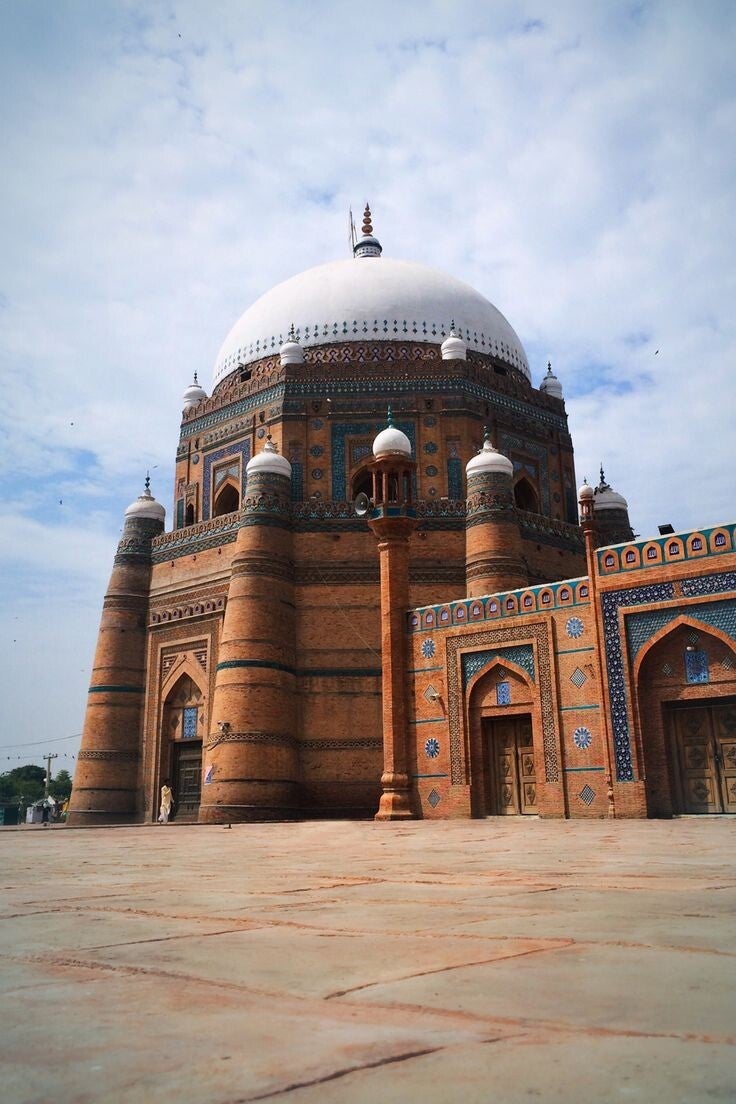
The Story Architecture Tells
Pakistan’s architecture and design tell stories. These stories follow the journey of Pakistani land from the Indus Valley Civilization, the Mughal masterpieces, and to what the land as become today. The ancient ruins of Mohenjo-Daro and Harappa reveal the world’s earliest examples of city planning and craftsmanship, while the Mughal era gave rise to marvels like the Badshahi Mosque, Lahore Fort, and Shalimar Gardens, merging Persian influence with Pakistani art. Colonial and modern influences later introduced new materials, forms, and urban visions, creating cities that bridge history and modernity. Ancient, Islamic, and contemporary architecture reflect the creativity, resilience, and cultural harmony of the Pakistani people.
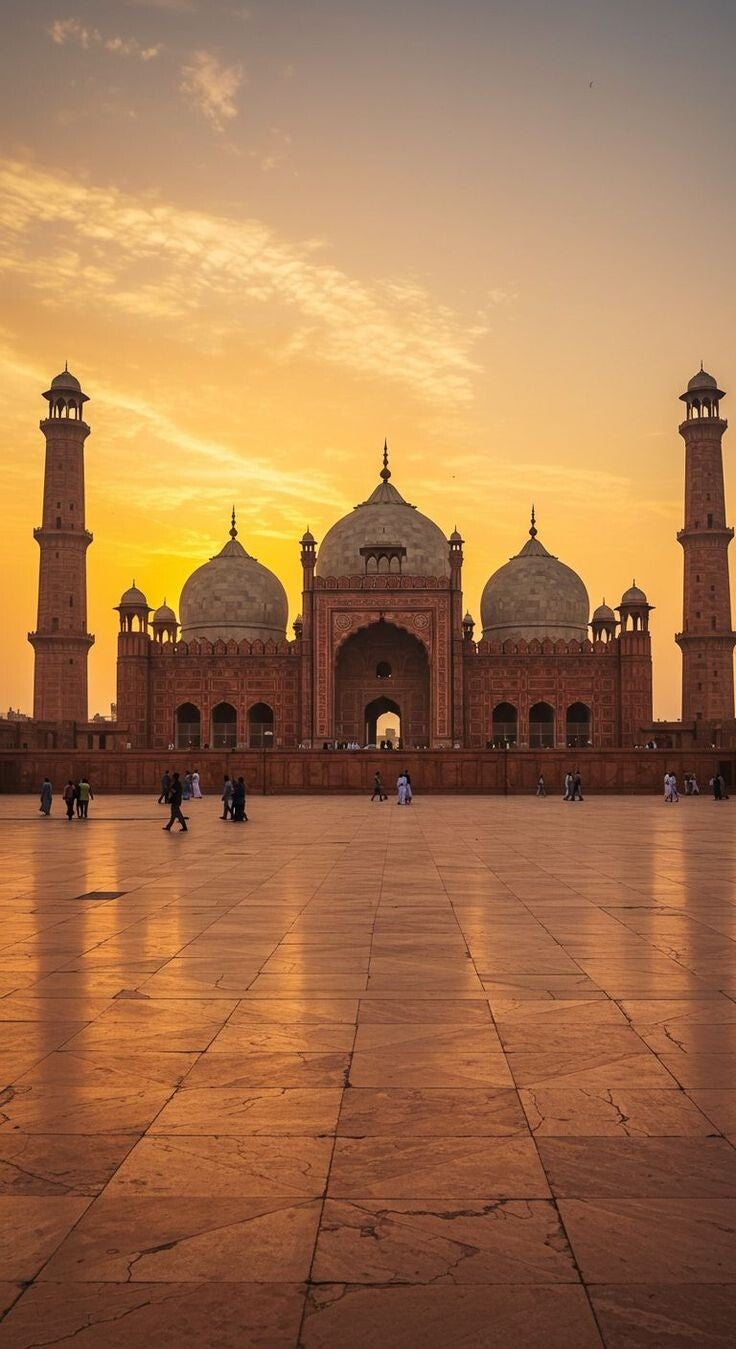
Badshahi Mosque
The Badshahi masjid, located in Lahore, stands as one of the most magnificent symbols of Mughal architecture and Islamic artistry. Built in 1673 by Emperor Aurangzeb, it remains one of the largest masjid's in the world and a proud symbol of Pakistan’s cultural and spiritual heritage. Crafted from red sandstone and marble, its grand domes, and intricate calligraphy reflects Mughal art, symmetry, and craftsmanship. Beyond its architectural beauty, the masjid represents faith, unity, and the presence of Islamic civilization, serving as a gathering place for worshippers and a timeless reminder of the Mughal vision that blended devotion with artistry. Today, it continues to inspire and connect Pakistan’s modern identity with the elegance and spirituality of its past.
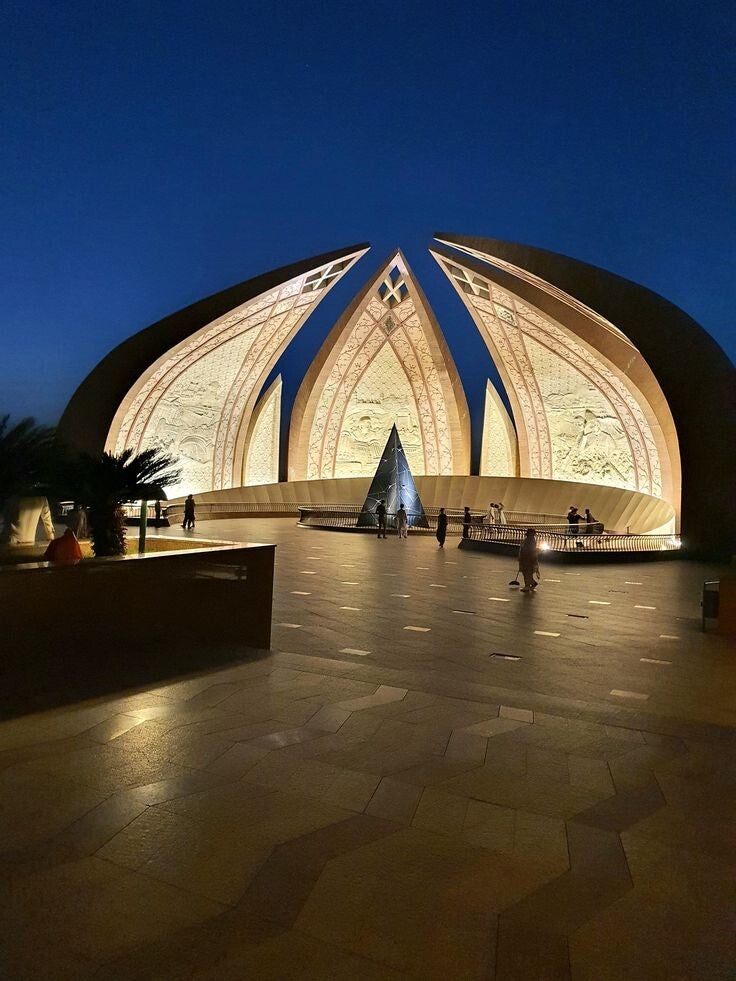
The Pakistan Monument
The Pakistan Monument, located in Islamabad, stands as a powerful symbol of national unity and pride. Completed in 2007, its striking design resembles a blooming flower, with four large petals representing the four provinces , Punjab, Sindh, Khyber Pakhtunkhwa, and Balochistan, and three smaller petals symbolizing the country’s territories. Designed by architect Arif Masood, the monument merges modern aesthetic value with deep cultural symbolism, using Mughal inspired arches and specific carvings that illustrate Pakistan's history. At its centre the Pakistan Monument Museum, honours the sacrifices and struggles that led to independence. Viewed from above, the structure forms the shape of a crescent and star, echoing the national flag. Together, its design, symmetry, and meaning reflect Pakistan’s journey, resilience, and unity in diversity, making it not just a landmark, but an acknowledgment to the presence of the nation.
Create Your Own Website With Webador