A Journey Through Pakistani History

Ancient Roots
The Indus Valley Civilization, flourished around 2600–1900 BCE, and was one of the world’s earliest urban societies, known for its planned cities, advanced drainage systems, and thriving trade networks. The Indus Valley Civilization which is now part of modern-day Pakistan, cities like Mohenjo-Daro and Harappa showcase the marks left of this ancient civilization. Over time, the region attracted traders, conquerors, and explorers, including Alexander the Great, whose armies passed through, leaving traces of cultural exchange. Artifacts such as pottery, seals, and jewelry reveal a society rich in craftsmanship, commerce, and daily life, forming a historical foundation that connects the ancient Indus Valley to the land that would become Pakistan today. Many aspects of the Indus Valley Civilization such as advanced city planning, water management, trade, and craftsmanship, can still be seen in Pakistan today, from organized cities and irrigation systems to traditional pottery, jewelry, and textiles. This ancient heritage forms a direct link between one of the world’s oldest civilizations and modern Pakistan, connecting past and present of the land.
Empires and influences
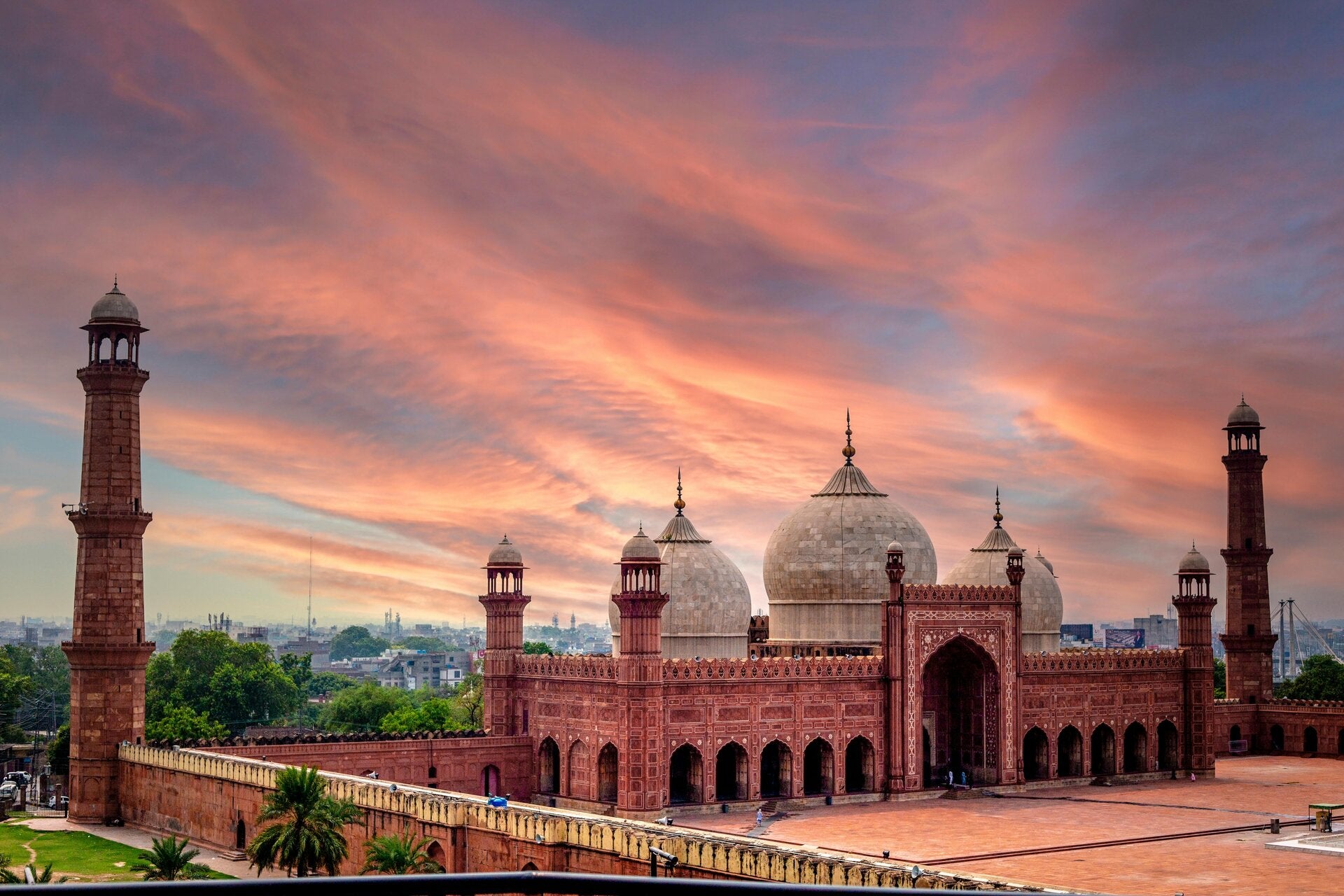
Over centuries, the Pakistani region was shaped by a series of powerful empires, each leaving lasting influences on culture, architecture, governance, and society. The Persians brought administrative organization, currency, and artistic styles, while Alexander the Great and the Greeks introduced Hellenistic art, architecture, and urban ideas. The Mauryan Empire extended centralized governance, and trade networks. The arrival of Islam in the 7th–8th centuries, through Arab conquest and later Islamic dynasties such as the Abbasid and Umayyad Caliphates, introduced religion, law, education, calligraphy, and architectural styles, which remain central to Pakistan’s cultural identity. The Mughal Empire added grand architecture, gardens, literature, music, and rich culinary traditions, blending Central Asian and South Asian influences. Finally, British colonial rule introduced modern administration, railways, legal systems, and education, laying the groundwork for Pakistan’s eventual independence. Together, these empires created a cosmopolitan identity, weaving diverse traditions, religions, and artistic expressions into the vibrant cultural fabric of Pakistan today.
The Independence of Pakistan
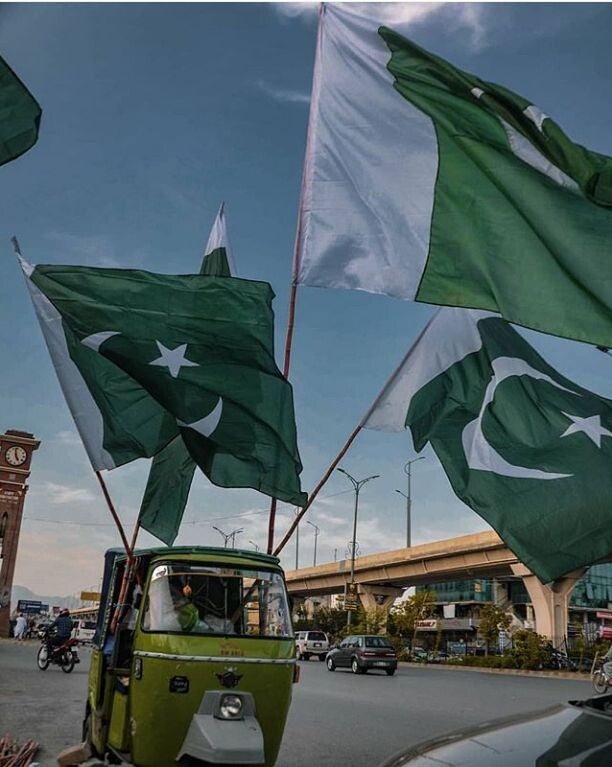
Pakistan became an independent nation in 1947 under the visionary leadership of Muhammad Ali Jinnah, created as a homeland for Muslims to preserve their cultural, religious, and social identity. The country’s early years were marked by tremendous challenges, including the mass migration of millions, establishing government institutions, and uniting a diverse population from many regions, languages, and ethnicities. Despite periods of political instability, weak governance, and economic struggles, Pakistan has demonstrated remarkable resilience, steadily developing its infrastructure, education system, and industrial and agricultural sectors. Socially and culturally, the nation has nurtured literature, music, architecture, and Islamic scholarship, blending its historical heritage with modern creativity. Pakistan has also emerged as a key voice in the Islamic world, actively participating in global initiatives, humanitarian efforts, and cultural exchange, while promoting Islamic arts, education, and interfaith dialogue. Today, Pakistan stands as a nation that honors its past, adapts to modern challenges, and continues to contribute meaningfully to the Islamic community and the wider world, balancing tradition with innovation and regional influence.
"Pakistan's history isn't just a sequence of events, it's a story of resilience, adaptation, and thriving through millennia."
ShahCusuines
Create Your Own Website With Webador